From Civil Service to Building What Comes Next
How I found Powercoders
I started at Powercoders as a civil servant. When I saw the job entry in the Zivildienst tool, which lists all possible positions, my first thought was: “Wait, you can do such cool jobs in connection with civil service? – Impossible.”
After some research, I found the TED Talk by Christian Hirsig, one of the founders of Powercoders, called “Opening Doors for Refugees in the IT Industry”. I realised that it was actually true: it was possible to do civil service at such a cool organisation. I immediately called the number shown in the tool. Lucy answered. I introduced myself, and then she said: “I am sorry, this year’s slot is already full.”
I was really sad. I thought that if I had called earlier, I might have had the chance. But then she said, “You could join our bootcamp next year.” I was so happy to hear that and said yes immediately.
After my first half-year of civil service at a school, and a successful interview with Lucy and Linus, I finally started at Powercoders. First, I got to know the organisation, the team and the tools they use. I learned that Powercoders follows a self-organised learning and working principle. Everyone has their own domain and responsibility, but there is no real hierarchy. Everybody is treated as equal, no matter their position. I found that really impressive and commendable.
My first bootcamp
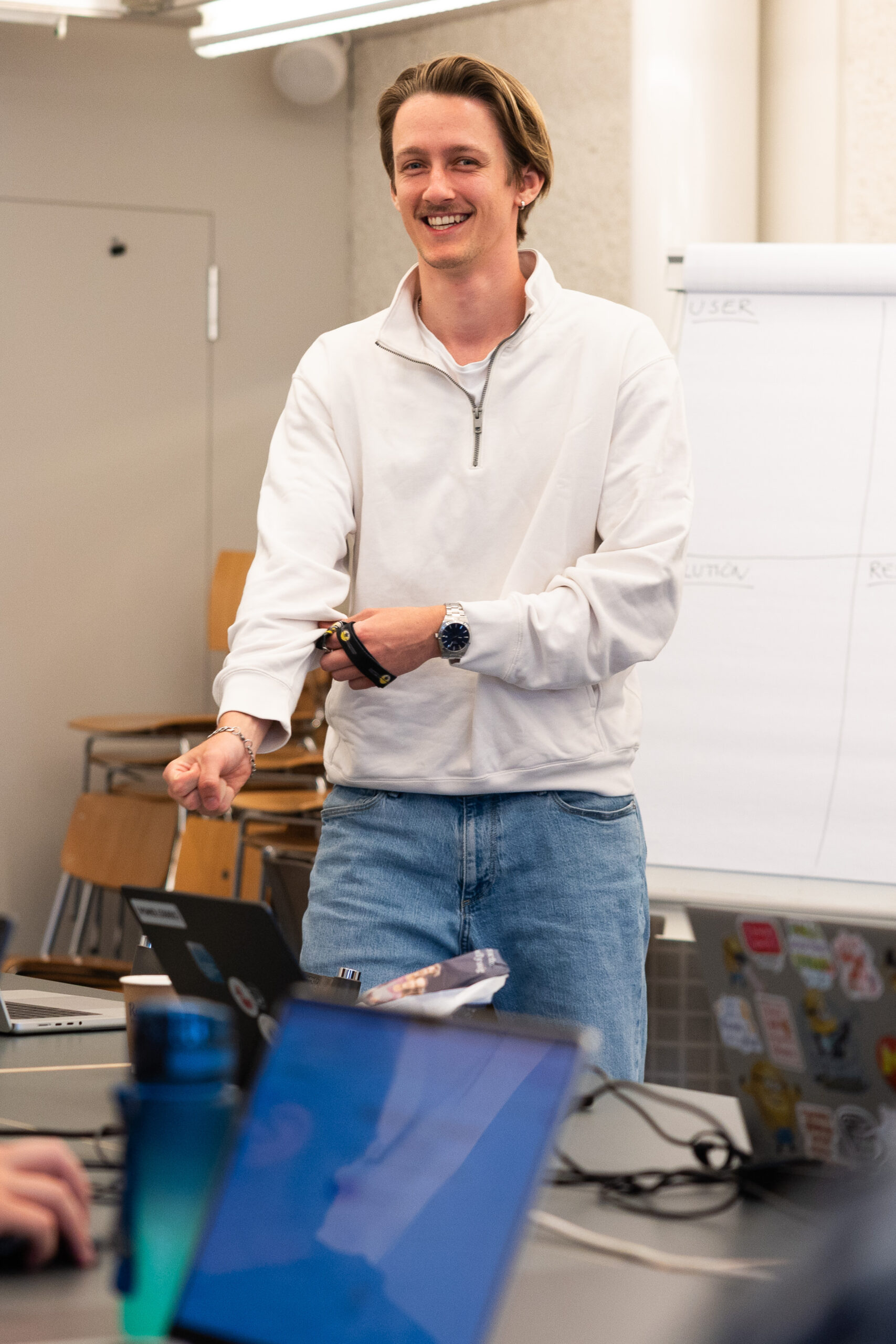
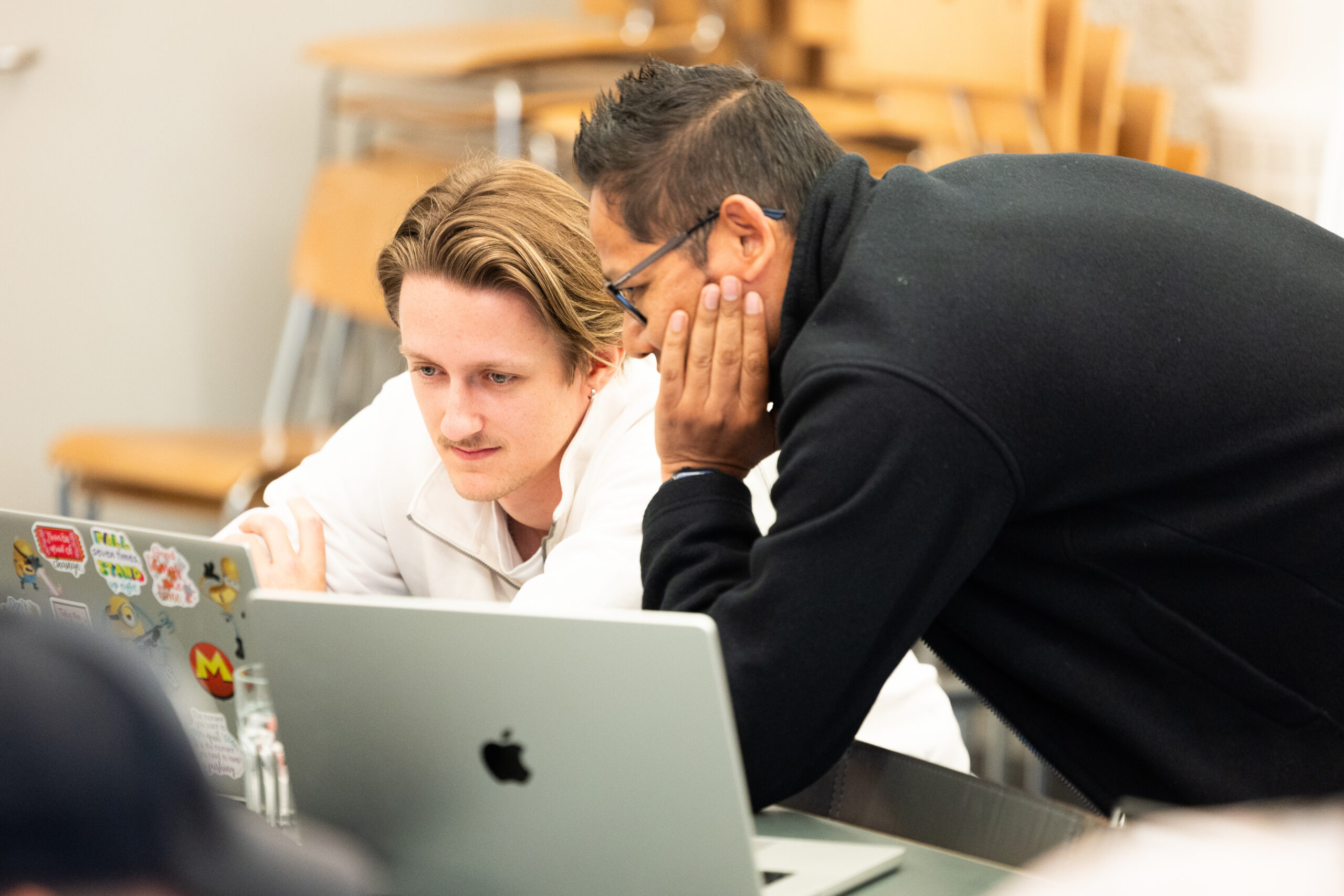
In the first part of my time at Powercoders, I worked as a Teaching Assistant. I supported the planning and organisation of the bootcamp content, and together with the team, I helped organise the teaching on the on-site days. This was super cool.
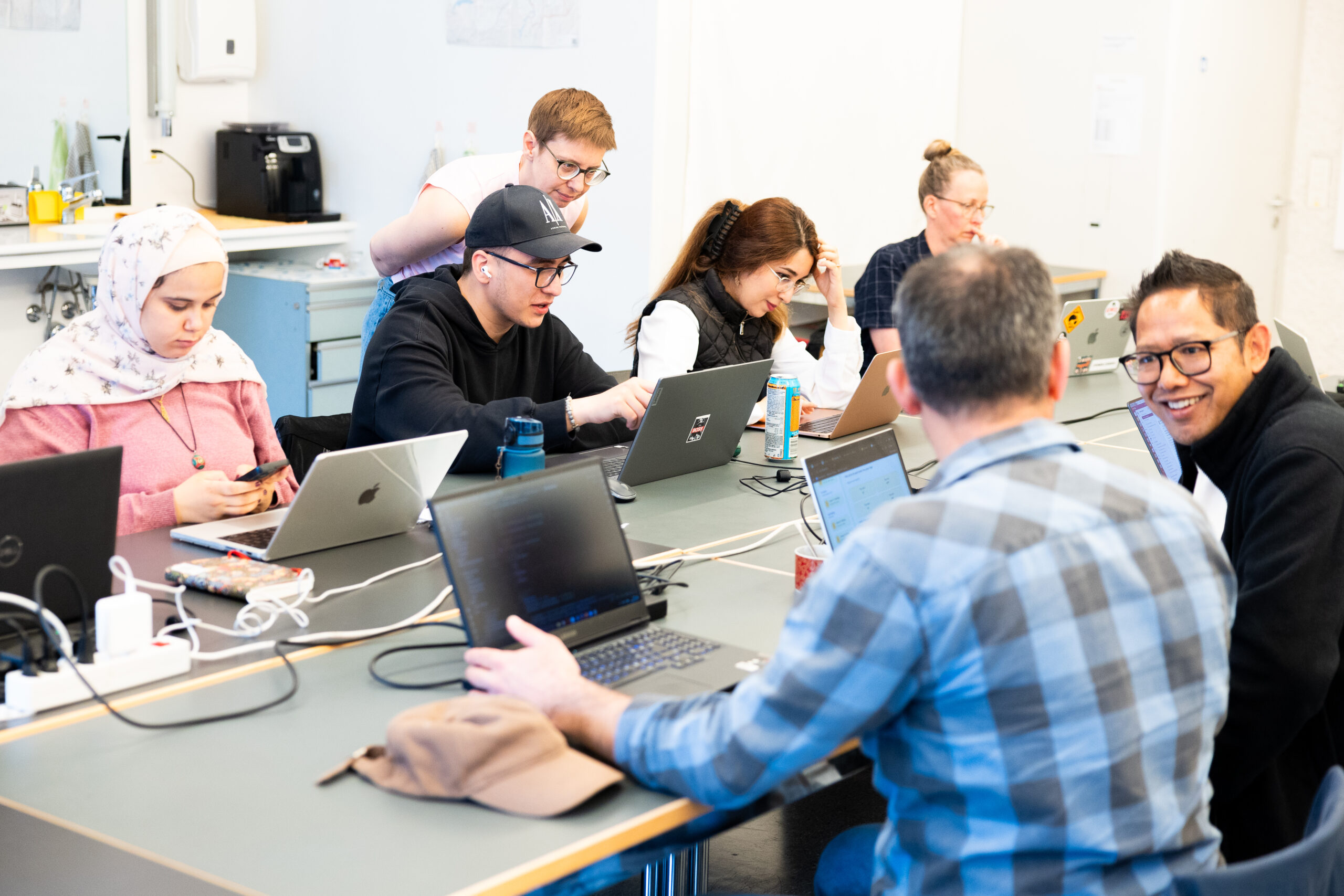
I quickly grew close to the participants. It was inspiring to hear their stories and learn about their backgrounds. I also loved seeing how motivated and eager they were to learn and to find their place in the tech market. During those three months, we learned a lot and had a great time. For me, that is the most important thing: learning becomes much more difficult when you are not in an environment where you feel comfortable and can have fun.
After the first bootcamp, I had a break from civil service until the end of August 2026, when the second part of my journey at Powercoders started.
A different task
My task in the second part looked a little different. Because of AI disruption and its effect on the market, we decided to adapt. We wanted to make sure our participants were as prepared as possible for the dynamic new state of the tech market.
To do that, we created a new task force to start from scratch. We wanted to temporarily forget the previous bootcamps and ask ourselves what Powercoders should look like now. I was asked to join the group and said yes immediately. What I found most interesting was the opportunity to help shape the program’s future.
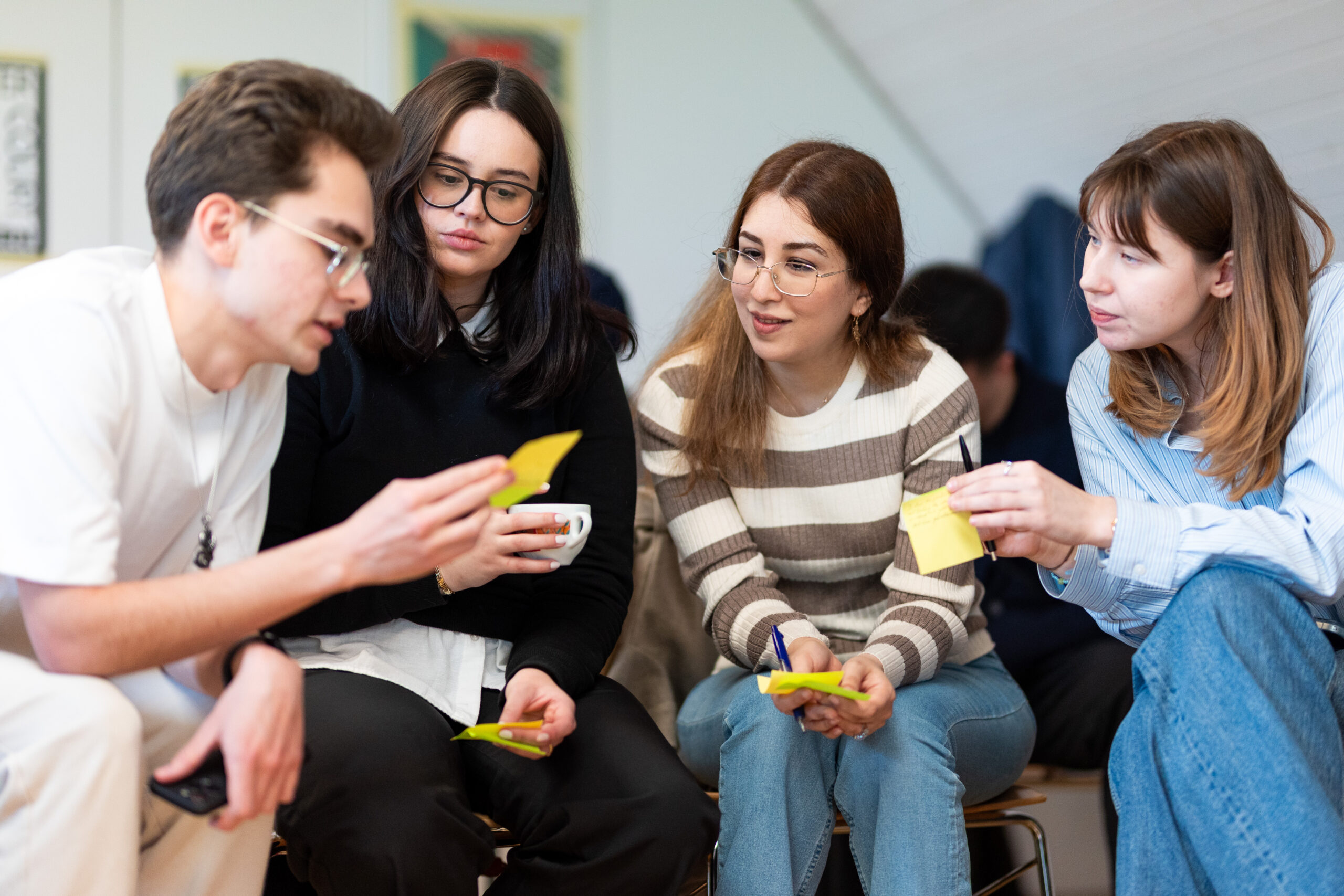
We work in sprints and started with questions such as: What challenges does Powercoders face? What are our design principles? What new business models could grow from this change? One task, and the one I want to share here, was to understand what current research and the industry value as fundamental skills in a time when AI is mentioned more often than we can count.
One important constraint: this research focused on the Swiss job market and the changes it is experiencing. It is difficult to say whether the results would look very different in a country like the USA.
What skills will really matter now?
One thing became clear quickly: we should not prepare participants for only one specific job title. The tech market is changing too fast for that. Instead, we want to build a strong foundation that helps people enter an internship, grow into their first job and continue learning afterwards. Especially in Switzerland, where language, local work culture, and networks are essential, this foundation matters. [4, 5, 9, 10, 11]
But this does not mean that we want to start from zero with every participant. Everyone already brings something: skills, work experience, languages, responsibilities, interests, or life experiences. We want to look at where somebody is, where they want to go and what they already know. From there, we can support them individually instead of trying to create one solution that fits everyone. This skills-first way of thinking is also becoming more important in the labour market. [28]
If I had to reduce our findings to the essentials, they are these: strong workplace basics, data and digital confidence, the ability to understand and check technical work, responsible AI use, and the human skills to keep learning with others.
The first foundation probably is not the most exciting, but it is one of the most important: workplace language and self-management. Being able to understand instructions, write a short update, ask for help early and be on time sounds simple. But these things build trust. And trust often makes the difference when someone gets their first real chance in a company. [9, 10, 11]
Then there is digital and data literacy. It is no longer enough to know how to use one tool. Participants need to find information, judge its reliability, organise it, and handle sensitive data carefully. Data also underpins automation and AI, so understanding what data means, where it comes from, and its limits is becoming increasingly important. [5, 7, 20]
Of course, programming, code reading, testing and systems thinking still matter. AI can generate code very fast, but someone still needs to understand what it does, find bugs, test it, and connect it to real systems. Companies do not only need people who can build a small project from zero. They need people who can work with existing tools, systems, users and problems. [4, 21, 22, 32]
Another key foundation is AI literacy and verification. For us, this means more than learning how to write a good prompt. It means understanding what AI can do, where it can make mistakes and when we should not trust it blindly. Research shows that AI can help people work faster in some situations, but not in every situation. In one study, experienced developers were even slower when using early AI tools in complex existing projects. [14, 15, 16]
This is why we want to teach AI as a tool for thinking with, not thinking instead of us. AI should support thinking, not replace it. One study with junior developers showed that participants who relied too much on AI learned less afterwards. So the goal is not to let AI solve everything for participants. The goal is to help them ask better questions, check results and understand their own work. [17, 18, 19]
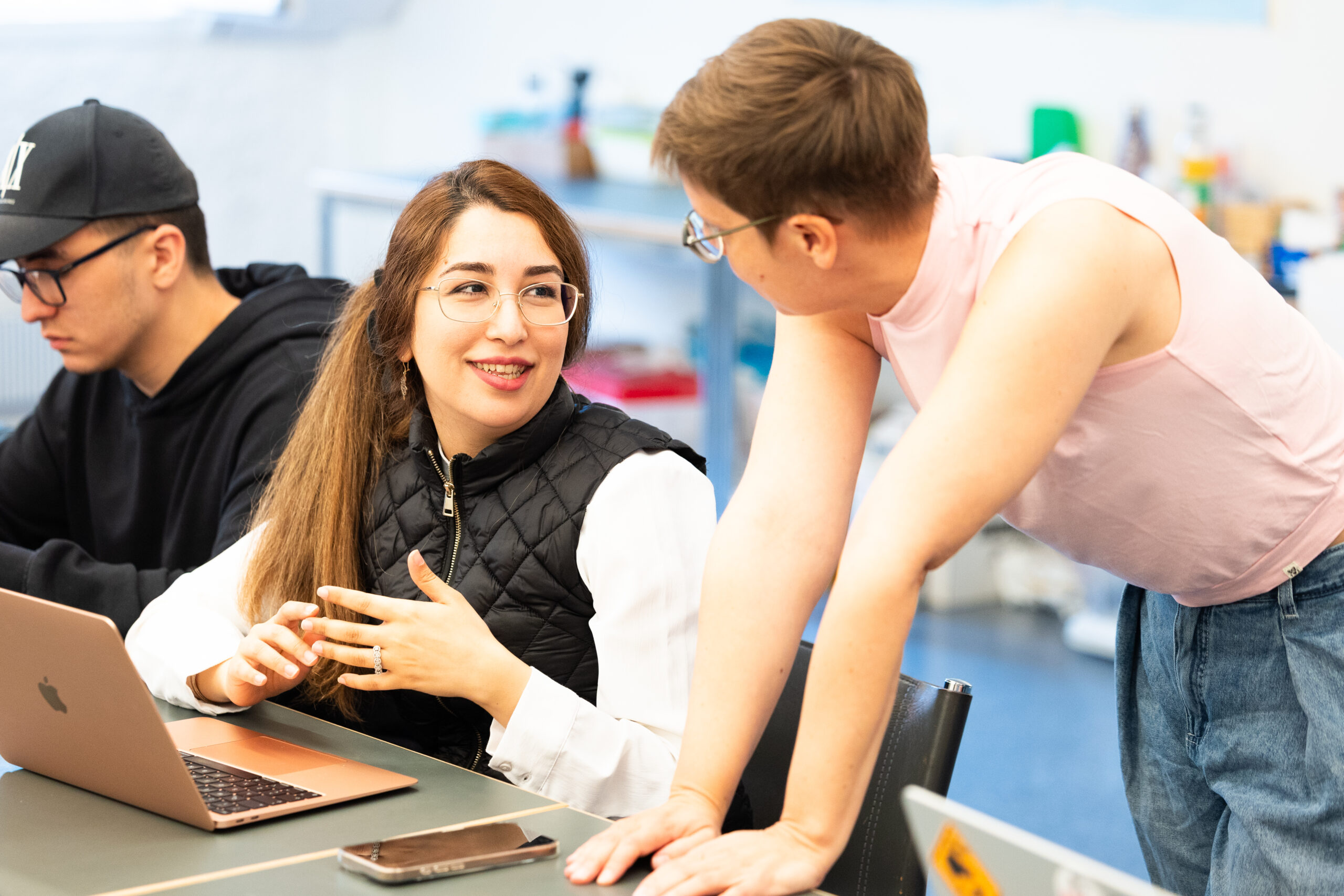
Finally, there are the very human skills: collaboration, communication, curiosity, and the ability to keep learning. Technology changes, tools change, and job descriptions change. But being able to work with other people, explain an idea, listen to feedback and stay open to learning will always be valuable. [11, 12, 26, 31, 32]
What we already had
For us, it was nice to see that we had already implemented some of those researched foundations in the bootcamp. For example, self-management. We always encourage strong self-management through individual learning days and preparation weeks, where each participant has time to build the knowledge and skills they want. In the latest bootcamp, we also placed a strong emphasis on AI literacy. We taught the inner workings of large language models, their drawbacks, and the critical thinking connected to them. We emphasised the importance of data security and compliance when working with those models and solutions for that. So this research also gave us hope that we are on the right track and that we can lean even more into the direction of what we feel is the future of the tech market
An open conversation
For Powercoders, the message from this research is clear: we don’t just want to teach technical skills. We want to build on what people already bring, understand their goals and help them become confident, thoughtful and reliable people who can find their place in a changing world of work.
Unfortunately, my time at Powercoders is coming to an end because my civil service agreement is limited. But the connections I made, the things I learned and the people I met will stay with me forever. I strongly believe Powercoders is ready for the future and will remain a successful model and an important part of society for many years to come.
Of course, research is never the whole story. If you have thoughts on these topics, have experienced something different in your own workplace, or have ideas we should hear, please feel free to reach out. We are always open to a discussion, a call or a coffee. We would genuinely love to hear from you.
Zurich, 30. September 2026
Author: Devin Hasler, Civil Servant